COSMETIC & RESTORATIVE DENTISTRY
Told You Need a Crown? Get a Second Opinion
Been told you need a crown? Before you commit, it is worth a second look. A crown is sometimes exactly the right treatment, but it is not always the first step. We assess the whole tooth and recommend the least invasive treatment that will properly protect it, which for many teeth is a BioClear restoration that keeps more of your natural tooth.
It is a common moment: you are told a tooth needs a crown, often when it does not even hurt. It is completely reasonable to want to understand why, and to ask whether there is another way to look after the tooth. That is exactly what our second opinion appointment is for.
Is a crown always necessary?
Not always. A crown can be the right choice for a tooth that has lost a lot of its structure, but it is a big step. To make room for a conventional full crown, the tooth has to be shaped down on every side, and studies have measured that this can remove roughly 63 to 72% of the tooth above the gum. That tooth structure does not grow back. In one long-term study, around 15% of single crowns went on to develop problems with the nerve of the tooth over about 14 years.
None of this means crowns are bad. It means a crown should be chosen because the tooth genuinely needs one, not by default. So we start every assessment with one question: what is the least invasive treatment that will properly protect this tooth?
The options between a filling and a crown
There is a lot of ground between a small filling and a full crown. Depending on how much healthy tooth remains, the options usually look like this, from least to most invasive:
- Traditional filling. Repairs a small or moderate cavity when the surrounding tooth is strong. Often exactly the right treatment.
- BioClear restoration. A one-visit bonded rebuild for a larger area of damage or a heavily filled tooth that still has enough sound structure to bond to.
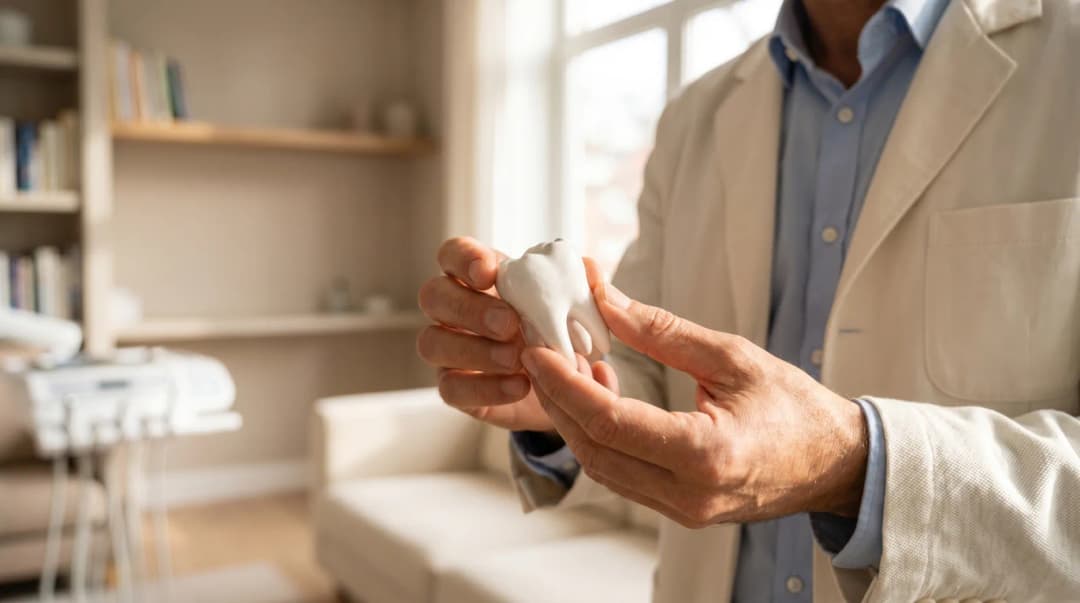
- Biomimetic crown. A laboratory-made restoration bonded to the tooth when there is not enough reliable foundation for a direct rebuild. It still keeps as much healthy tooth as it safely can. You can read more in what is a biomimetic crown.
- Conventional crown or other treatment. Still the safest choice for some teeth, and we will tell you honestly when that is the case.
What is a BioClear restoration?
A BioClear restoration (sometimes called a BioClear filling) is not simply a big filling. A traditional filling replaces the part of the tooth that is missing. A BioClear restoration is designed to rebuild and support more of the tooth. We keep the tooth carefully isolated, preserve healthy enamel and dentine, and use tooth-shaped matrices with a controlled injection-moulding technique so the resin closely adapts to the tooth. Where needed, it extends around weakened walls or cusps, a little like shrink-wrapping the tooth, so the restoration and your natural tooth can work together. It is usually completed in a single visit.
This approach is part of our wider commitment to biomimetic dentistry: restoring teeth in a way that respects their natural structure. You can see it in a real case where we repaired a cracked tooth behind an old filling rather than crowning it.
When a crown is still the right choice
Some teeth do need a crown. If there is not enough height or sound foundation left, the crack is severe, the bite forces are heavy, or the tooth has had root canal treatment and needs broad protection, an indirect restoration is often the more predictable option. Conservative dentistry means doing no more than is needed, but also no less than is required to protect the tooth.
What about cost?
Our focus is the outcome for your tooth. Keeping more of your own tooth often means a better long-term pathway for a similar fee, and in some cases considerably less, because we are rebuilding what you have rather than replacing it. Every tooth is different, so we will explain your options and the fee clearly before any treatment.
What to bring to your second opinion appointment
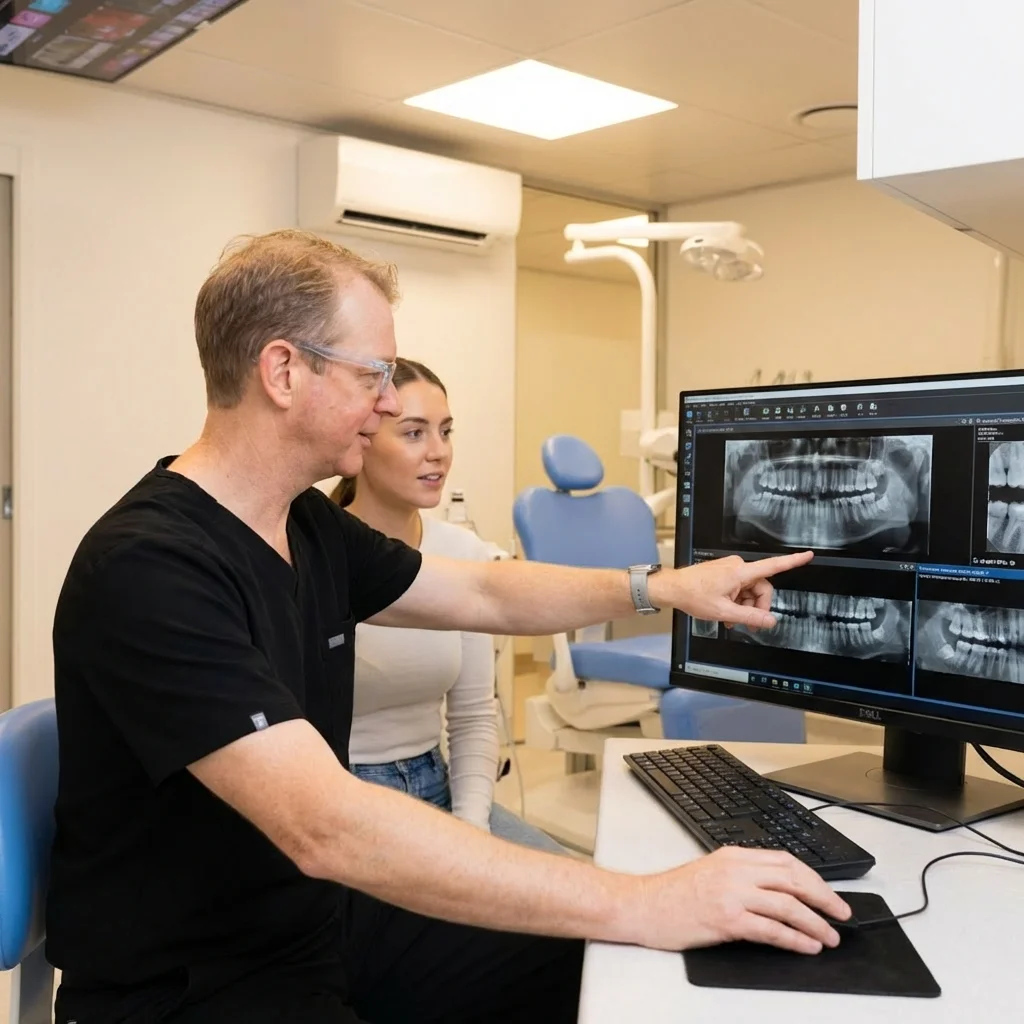
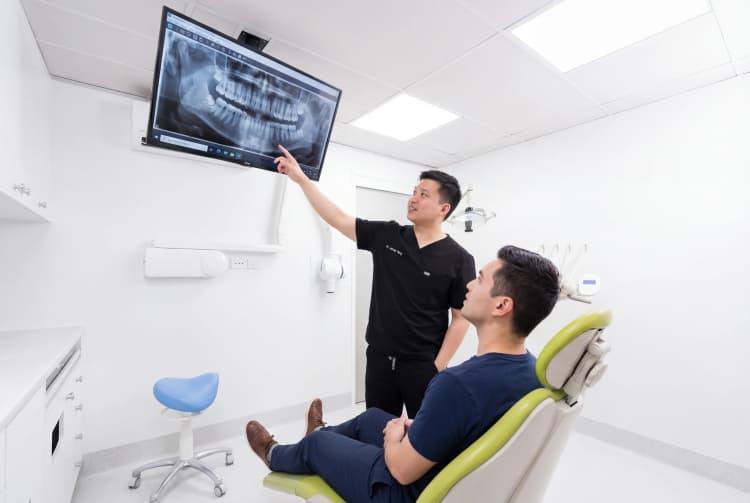
If you have a treatment plan, quote or recent x-rays from another practice, bring them along or ask for copies to be sent to us. It also helps to jot down what you were told and any questions you have. We will look at the whole tooth, show you what we can see and talk through every sensible option.
Both of our dentists, Dr Andrew Zischke and Dr James Yang, have trained in BioClear and biomimetic techniques, so this approach is available whichever dentist you see. Our aim is simple: to help you keep your natural teeth for life, wherever that is possible.
Been told you need a crown? Call us on (07) 3281 6666 and ask for a second opinion appointment, or book online. We are at Shop 5/92 Grange Rd, Ipswich QLD 4305.
YOUR APPOINTMENT
A second opinion appointment is a calm, unhurried look at the whole tooth, so you can make the decision with confidence.
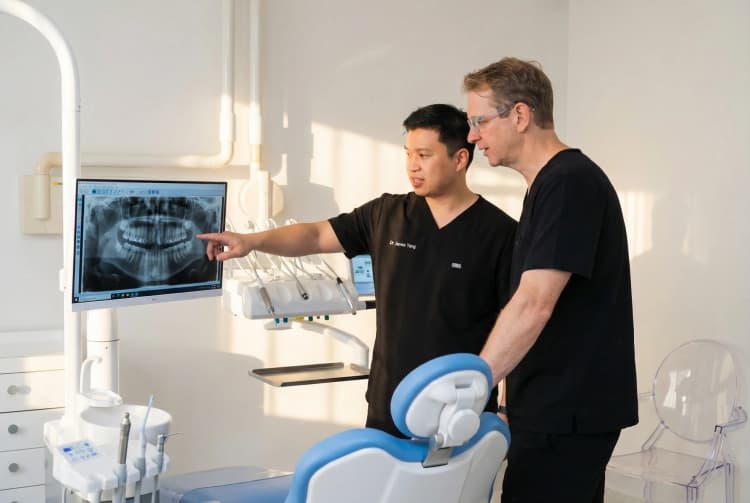
Tell Us What You Were Told
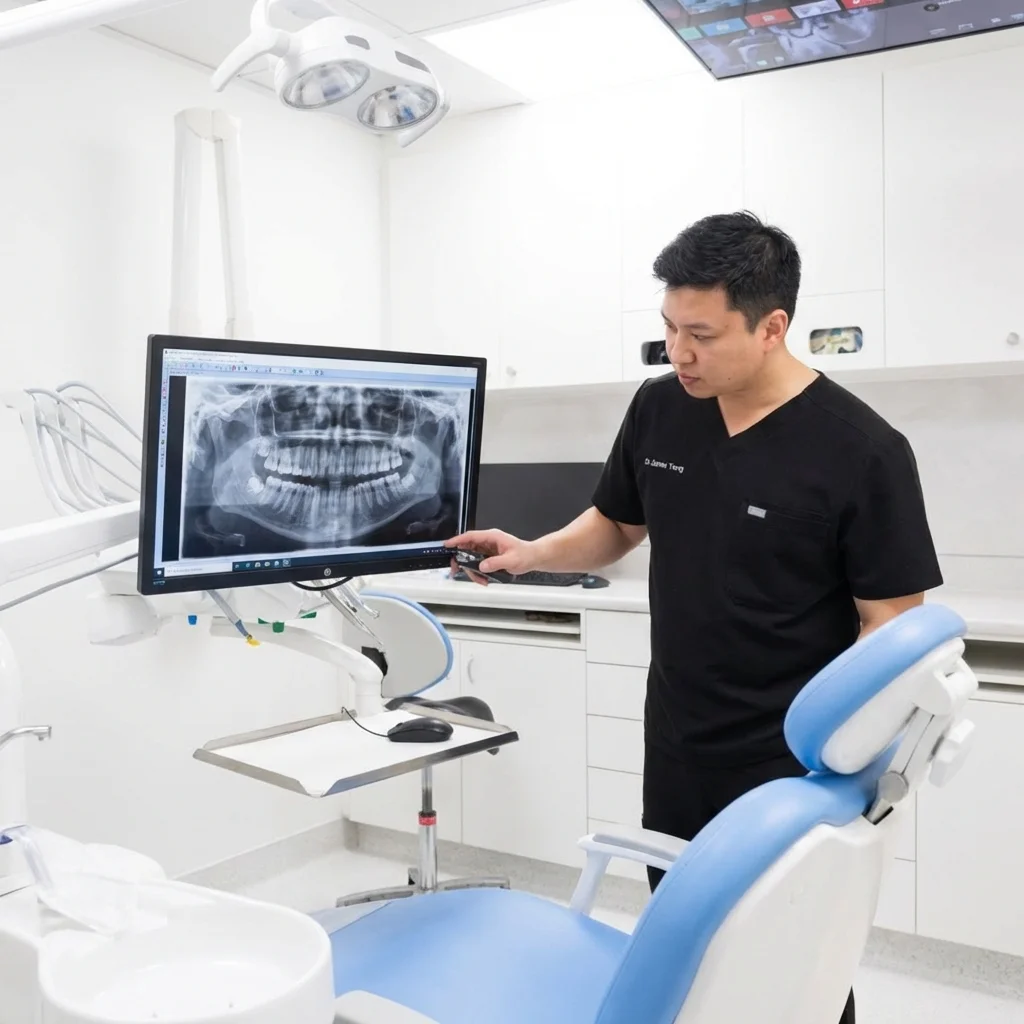
A Careful Look at the Whole Tooth
Honest Options, Explained
PATIENT EXPERIENCES
We value the trust our patients place in our team. Here's a selection of feedback from people we care for in Ipswich.

Shiner 8.
Patient
“Professional and caring, with a focus on patient comfort without compromising oral care.”
via Google Reviews · July 2026

Andy G.
Patient
“Excellent dental as usual very friendly”
via Google Reviews · June 2026

Elizabeth B.
Patient
“Clean, professional and efficient.”
via Google Reviews · June 2026

Sarah B.
Patient
“I've been coming here for years now. Dr Andrew and the team are wonderful. Dr Andrew goes out of his way to make you feel at ease, is so friendly and patient.”
via Google Reviews · June 2026

ian h.
Patient
“Andrew and his team are wonderful. Professional, caring, gentle and honest. Could not recommend more highly.”
via Google Reviews · May 2026

Greg M.
Patient
“I had a good experience from Grange Road Dental service today. Very happy. Happy to recommend. 5 stars”
via Google Reviews · May 2026

Alysha D.
Patient
“Visiting Andrew and the team is not a dread but Ive been known to fall asleep in the chair. Gentle and lovely staff.”
via Google Reviews · May 2026

Merilyn A.
Patient
“All staff are extremely helpful 👍”
via Google Reviews · May 2026

Megan
Patient
“Have always received exceptional care and support from Dr Andrew and the team. I am very glad to work with them. My only down point is that there's no option to do a payment plan”
via Google Reviews · May 2026

Tegan F.
Patient
“I called up in a panic and didn’t know what to do! I spoke to a beautiful lady who was so patient, kind and helpful. They got me in ASAP and everything went so smoothly. The dentist was great! He explained things very clear and well. [...] Such a friendly and helpful clinic, they make you feel so welcome and they genuinely care about their patients wellbeing! My go to dentist for life now!”
via Google Reviews · Apr 2026

K S.
Patient
“Excellent dental care from start to finish. Dr Andrew is thorough, gentle, and highly informative, with attention to detail that make every visit feel safe and comfortable. I genuinely trust his approach. The receptionist is fantastic, too — warm, efficient, and always creating a positive first impression.”
via Google Reviews · Apr 2026

Annette D.
Patient
“Professional caring team”
via Google Reviews · Apr 2026

Michelle M.
Patient
“My experience at Grange Road Dental was such a positive one. The staff are friendly, helpful and caring. The dentist was gentle and everything was explained to me, upfront and transparent so no guessing. Would highly recommend 😊”
via Google Reviews · Apr 2026

Dani S.
Patient
“Staff are friendly and very good at what they do. Definitely recommend coming here for your dental work.”
via Google Reviews · Mar 2026

amanda c.
Patient
“I don't do reviews but I had to for everyone here. I have a fear of dentists, none of the staff knew that but the receptionist clocked it, she engaged with me and tried to elevate my fear, she expressed to the team I was very apprehensive and nervous. The team listened and everyone who was involved with my care went above and beyond. Everything was explained to me and I was given time, there was never any rush. On the day of my [...], which I had so much anxiety about, the receptionist remembered me, the team knew I was scared and they all made my experience calm and amazing. They walked me through what was happening and let me know it was OK to tell them at any point If I felt uncomfortable. As a person that is truly petrified of dentists, I can not thank this team enough.”
via Google Reviews · Jan 2026

Saria G.
Patient
“They are very nice and [...]! Very gentle, too.”
via Google Reviews · Jan 2026

Hollie B.
Patient
“Great place. Friendly staff and very accommodating for my disabilities. I am thankful to have a dentist that is accessible and welcoming to me.”
via Google Reviews · Dec 2025

Candy P.
Patient
“I've been coming here for about 15 years. Now my kids come here. I wouldn't go anywhere else. Highly recommended”
via Google Reviews · Nov 2025
Do I really need a crown?
Sometimes, yes. A crown can be the right choice when a tooth has lost too much structure to rebuild directly, has a severe crack or carries heavy bite forces. But many teeth that are heavily filled or cracked still have enough sound structure for a more conservative option, such as a BioClear restoration. The only way to know is a careful look at the whole tooth.
My dentist says I need a crown but I have no pain. Should I get a second opinion?
It is completely reasonable to want to understand a recommendation before you go ahead, and a second opinion is a normal part of healthcare. A lack of pain does not mean a tooth is fine, because cracks and weakened walls often cause no symptoms at first. A second opinion appointment lets you see what is happening with the tooth and hear every sensible option, so you can decide with confidence.
Can I get a filling instead of a crown?
Often, if enough healthy tooth remains. A traditional filling suits smaller cavities. For larger damage, a BioClear restoration is a bonded rebuild designed to support more of the tooth, and it can sometimes be used where a crown would otherwise be suggested. Whether it suits your tooth depends on how much sound structure is left, any cracks, and your bite.
Can a cracked tooth be fixed without a crown?
Sometimes. When a crack is caught early, the tooth can often be sealed and bonded back together, and a BioClear restoration can extend around weakened areas to support it. Some cracked teeth do still need a crown or other treatment, so the right answer depends on how far the crack has spread.
What is a BioClear restoration?
A BioClear restoration is a direct, bonded rebuild of a damaged tooth, usually completed in one visit. It uses tooth-shaped matrices and a controlled injection-moulding technique so the resin closely adapts to the tooth and, where needed, wraps around weakened walls or cusps. It is designed to preserve healthy tooth structure and rebuild the tooth rather than cut it down for a crown.
How much does it cost compared with a crown?
It depends on the tooth and what it needs. Keeping more of your own tooth often means a similar fee, and in some cases considerably less, because we are rebuilding rather than replacing the tooth. We will explain your options and the fee clearly before any treatment.
How long does a BioClear restoration last?
Longevity varies with the size of the restoration, your bite, clenching or grinding, diet and home care. No restoration can guarantee a tooth will never need further treatment, but a bonded restoration can often be maintained or repaired, which keeps future options open.
How do I book a second opinion appointment?
Call us on (07) 3281 6666 and ask for a second opinion appointment, or book online. If you have a treatment plan or x-rays from another practice, bring them with you or ask for copies to be sent to us.