Essential guide to effective tooth brushing
Brushing your teeth sounds simple enough, but technique matters more than most people realise. Done well, twice-daily brushing is one of the most effective things you can do to support healthy teeth, healthy gums and fresher breath. Here is what our team at Grange Road Dental recommends for getting the most out of your daily routine.
Why brushing matters
Throughout the day, bacteria in your mouth form a soft, sticky film called plaque. If plaque is not removed regularly, it can harden into tartar (calculus), which only a dental professional can remove during a professional teeth cleaning. Plaque buildup is also linked to tooth decay and gum disease, so keeping on top of your brushing routine is a key part of preventive care.
How often should you brush?
We recommend brushing twice a day for at least two minutes each time. Plaque begins forming again within hours of brushing, so consistency is important. Most dentists suggest brushing in the morning and again before bed. If you can only manage one thorough brush per day, bedtime is the most important, as saliva flow decreases while you sleep, giving bacteria more opportunity to cause damage.
Technique tips that make a difference
- Choose the right brush. Use a soft or extra-soft toothbrush with a small head. This allows you to reach all areas of your mouth comfortably, including the back teeth.
- Angle towards the gumline. Hold the brush at roughly 45 degrees to your gums and use small, gentle circular motions rather than a hard back-and-forth scrubbing action.
- Cover all surfaces. Clean the outer, inner and chewing surfaces of every tooth. Many people rush through the inner surfaces, particularly the inside of the lower front teeth, where tartar tends to build up.
- Be gentle. Pressing harder does not clean better. Aggressive brushing can wear down enamel and irritate your gums over time, sometimes leading to gum recession.
- Do not forget your tongue. A gentle brush over the surface of your tongue can help reduce bacteria and freshen your breath.
Choosing a toothpaste
For most adults, a fluoride toothpaste is the best choice. Fluoride helps strengthen tooth enamel and may reduce the risk of decay. If you have sensitive teeth, a toothpaste formulated for sensitivity can help manage discomfort. For children, look for an age-appropriate fluoride level. Our team is happy to recommend the right option for your family during your next children's dentistry appointment or routine check-up.
Electric or manual?
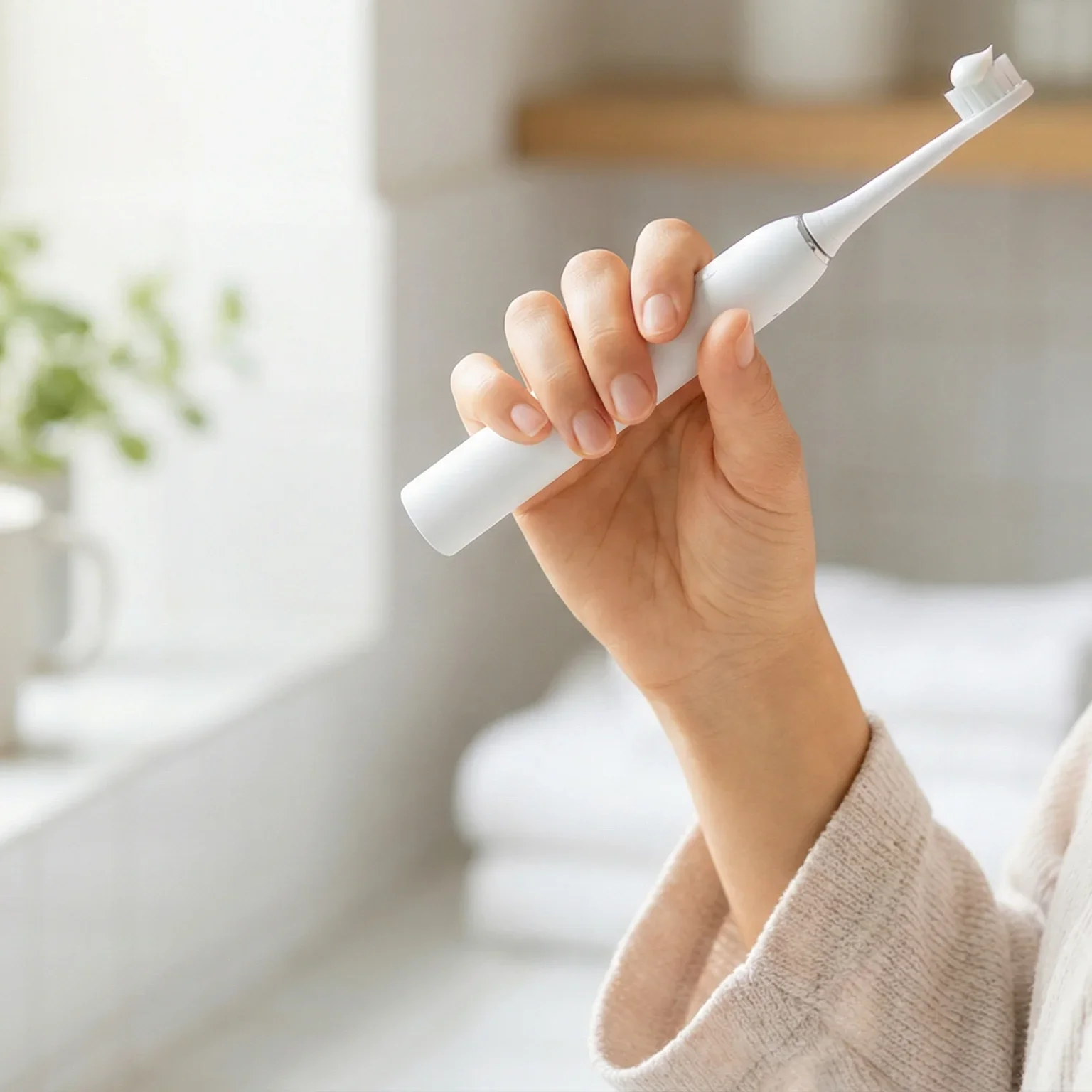
Both electric and manual toothbrushes can do an excellent job when used correctly. Electric toothbrushes with oscillating or sonic heads may make it easier to achieve a thorough clean, particularly for people with limited dexterity or those who tend to brush too hard. Many electric models include a built-in two-minute timer, which can be helpful for staying on track.
When to replace your toothbrush
Swap your toothbrush or brush head every three months, or sooner if the bristles start to look frayed or splayed. A worn toothbrush is far less effective at removing plaque. It is also a good idea to replace your brush after you have been unwell.
Do not forget between the teeth
Even the best brushing technique cannot reach the tight spaces between your teeth. Flossing, interdental brushes or a water flosser can help clean these areas and reduce the risk of gum problems and decay between teeth. Aim to clean between your teeth at least once a day.
Common brushing mistakes
- Brushing for less than two minutes
- Using a hard-bristled toothbrush
- Skipping the inner surfaces of teeth
- Rinsing with water straight after brushing, which washes away the fluoride (try spitting without rinsing instead)
- Brushing immediately after eating acidic foods, which can soften enamel temporarily
If you would like personalised advice on your brushing technique or help choosing the right products, our team at Grange Road Dental is always happy to help. We can demonstrate effective brushing and flossing methods at your next visit. Call us on (07) 3281 6666 or book an appointment online to get started.
Recent articles



Why do crowns fail, and how long do they last?
24 Sept 2026